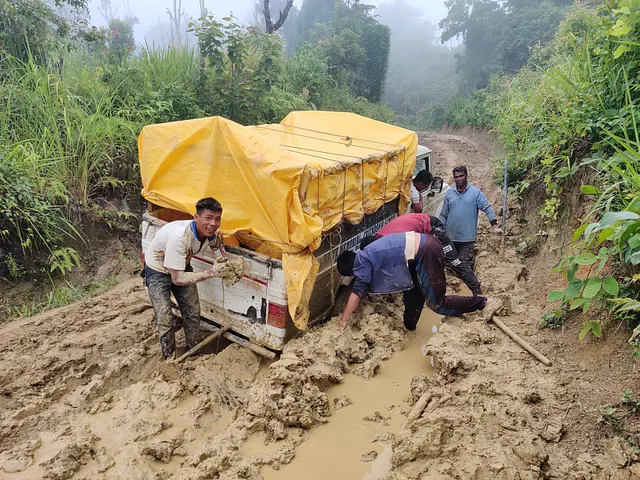
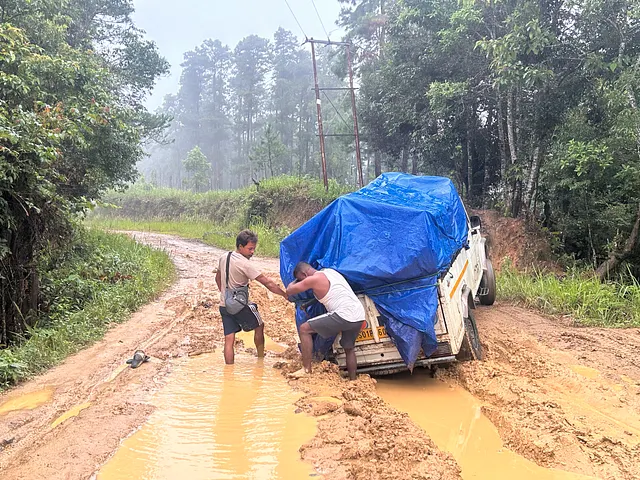
As I started my journey again from Umrangso to Mualdam in a hired pickup truck with sacks of rice and inauguration material in the carrier, I had enough time to think about the last four years in Mualdam. I was returning to the village after four months, for the 79th Independence Day celebrations, combined with the inauguration of the Science Laboratory and the newly built classrooms.
Press enter or click to view image in full size
Exactly four years ago, on 15th August 2021, we inaugurated the new school building. It was a grand event — our founder flew in from Bangalore, the CO of the Assam Rifles in Haflong was the chief guest, and more than 200 parents, villagers, and students gathered from Mualdam and the neighboring villages.
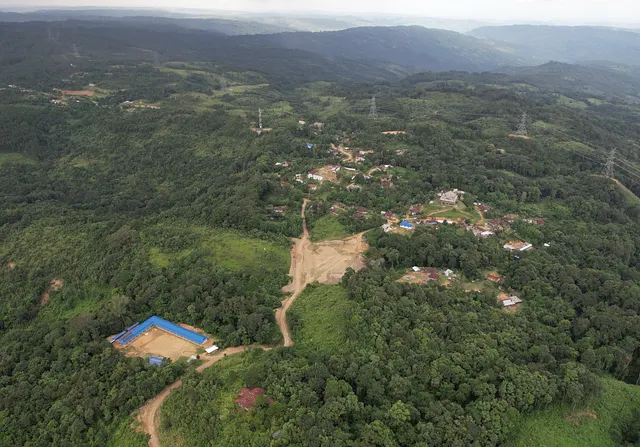
I didn’t want to lose this momentum and began penning these thoughts in my notes app as the vehicle took the right turn from Newsangbar to Mualdam. This is where the real journey begins, the bad roads that make everything difficult. A distance of just 33 km takes close to 3–4 hours in the rain, about 30 minutes less if it’s the dry season.
I first reached Mualdam on 16th April 2021. By then, I had already completed two years with Sunbird Trust, working in Ijeirong village in Manipur. Wanting to start something new in a place away from people, where few could reach me, I decided to move to Mualdam. The journey took three days: by road from Ijeirong to Jiribam to Silchar, then by train from Silchar to Haflong, followed by a night’s stay there, and finally by school vehicle to Mualdam. By this time, I was used to such journeys into remote interiors.
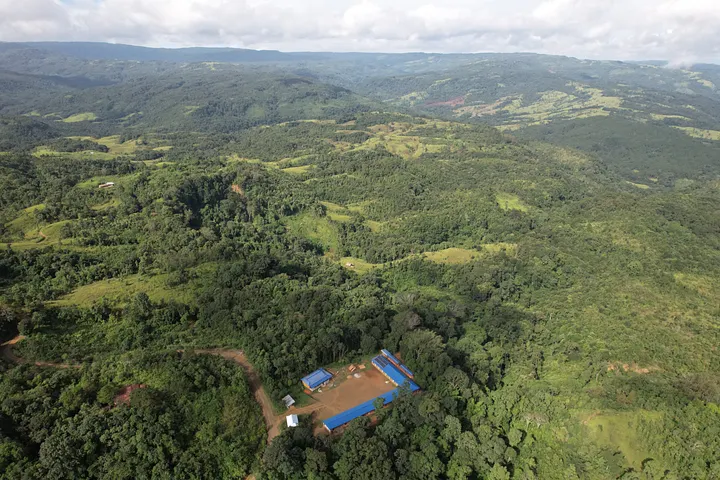
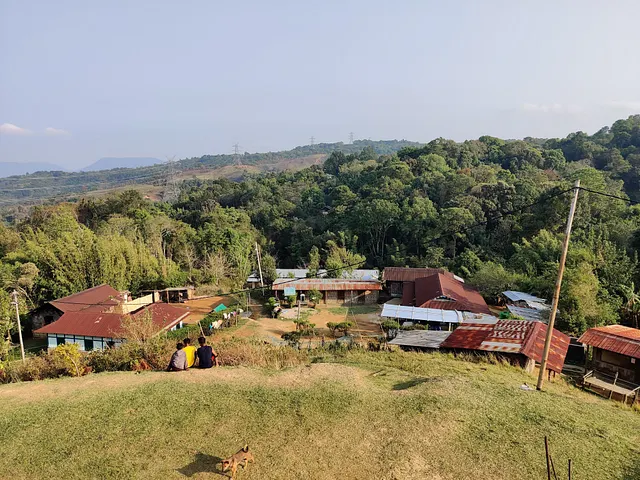
I stayed in William’s house, the founder of the school. There were nine people in the house, and I became the tenth. The village had no network at the time. One had to climb up the hillock near the church to catch a patchy signal. Mualdam was a green village, hidden deep in the forest and absent from Google Maps. With 48 houses and a population of 250, it had a couple of small chai shops, a church, a pond fed by a stream, and a small school surrounded by trees.
The people belonged to the Biate tribe and followed the Presbyterian Church. The village had faced violence in the past from both Dima Halam Daogah (DHD) and NSCN groups. The peace-loving Biate community was caught in between, facing the brunt of both insurgents and the Army during combing operations. Its remoteness made Mualdam a hiding place for insurgents. To this day, many do not know about Dima Hasao district in Assam. Stuck between Upper and Lower Assam, the district saw little development. I remember reading recently about the Guwahati High Court judge who questioned a lawyer on whether they were giving away the entire district for a cement factory in a Sixth Schedule area case.
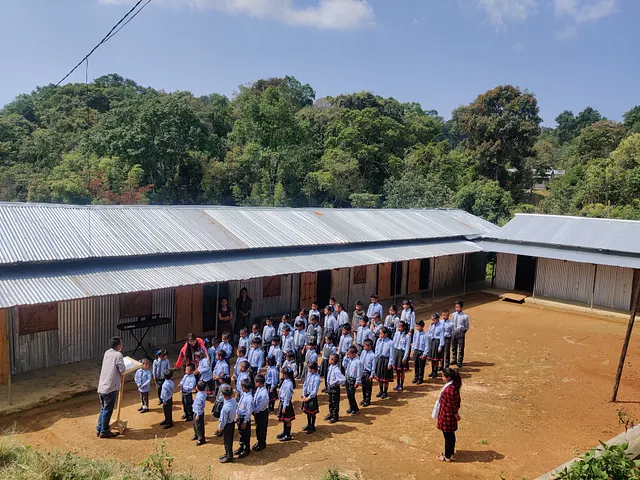
Haite Memorial Friendship School was started in 2017 by William and his family with support from the village. The first classrooms had bamboo walls and tin roofs. William’s fortune changed when he connected with Sunbird Trust, which began supporting the school in 2018 with student scholarships. Soon, Sunbird started constructing a new school block with 12 classrooms. It was a mammoth task, the village had never seen such a large project. William was still young and inexperienced, and the lack of connectivity discouraged masons from coming.
In May 2021, the village went into lockdown, and the school shut down. Construction had already been delayed due to COVID in 2020. I found myself stuck in the village with no food supplies, no network, and no familiarity. Living with a family I had met only two weeks earlier, I had to make this place my home for however long it would take. The village sealed itself off completely. What seemed like a curse at first turned into a blessing. With little to do, I spent time sipping tea, fishing, wandering in the forest to find signal, and talking to villagers for hours. In no time, I became part of the community.
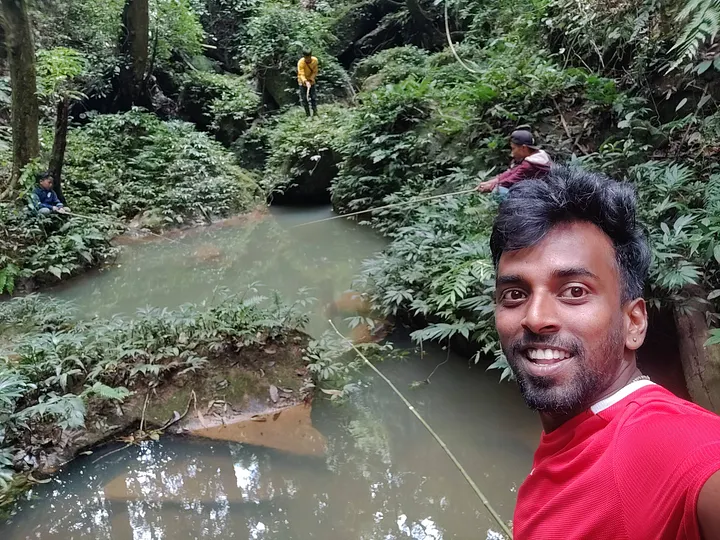
Mualdam was very different from Ijeirong, where I had lived with the Inpui Naga people. Their village was clean, disciplined, and deeply structured. Everyone woke up by 4:30 am, had meals by 7 am, and slept by 8 pm. Smoking, tobacco, and paan were forbidden. They grew tea in their kitchen gardens and relied largely on local produce with little use of market rice, oil, or masalas. Mualdam, in contrast, had a different rhythm. Villagers consumed pan and tobacco, rolling their own organic tobacco and smoking in their kitchens. The food habits, sleep cycles, and church practices were all new to me. Over time, I adapted, learned, and embraced this new lifestyle.
Construction resumed in June, with a deadline to finish by 10th August for an Independence Day inauguration. We worked day and night with villagers, youth, and masons, even renting a generator from the Army for electricity. It was the peak monsoon, and the villagers often said that it always rains on Independence Day. We prayed for clear skies, but we were not spared. Finally, on 15th August 2021, despite the heavy rain, bad roads, and countless challenges, we inaugurated our new school.
The school changed everything. Families could now reunite, migration reduced, and education costs fell. Earlier, parents had to send children away to towns, sometimes renting houses and relocating a parent, while the other stayed behind in the village. In some cases, elder siblings had to raise younger ones. Such migration is common across rural India. Schools like HMFS stop this cycle by bringing education closer.
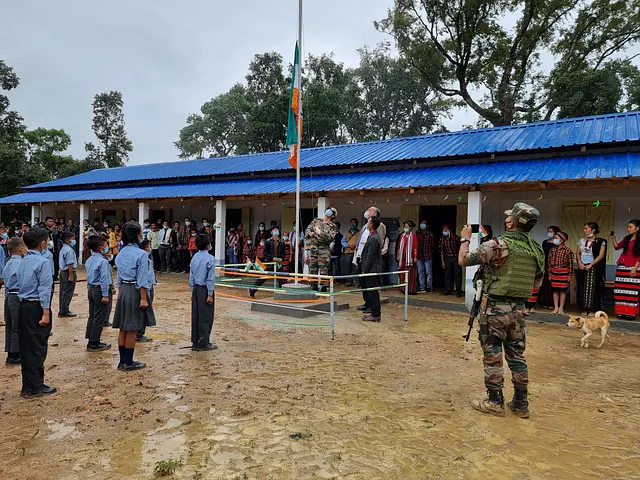
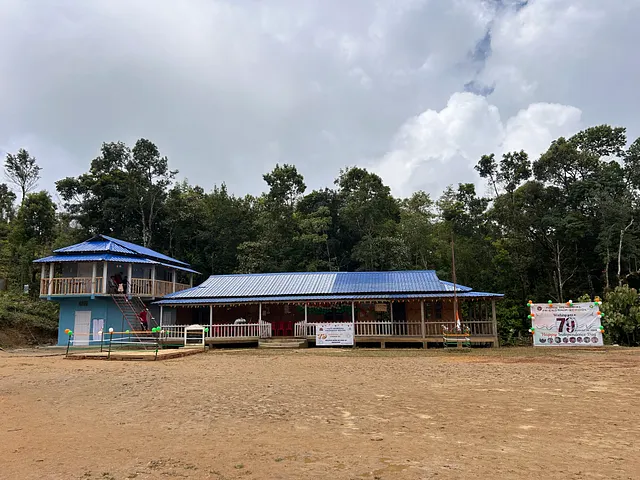
The story of Haite Memorial Friendship School is one of perseverance, grit, and stubbornness. Running a school in such a remote and isolated place is nothing short of an accomplishment. Mualdam is also home to the first tribal IAS officer, Jamchonga Nampui, who cleared the exam in 1954. He remains the village’s only role model to this day.
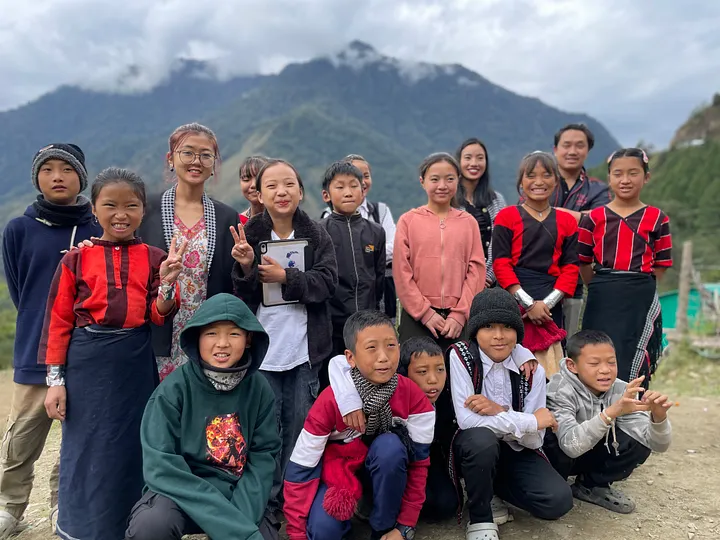
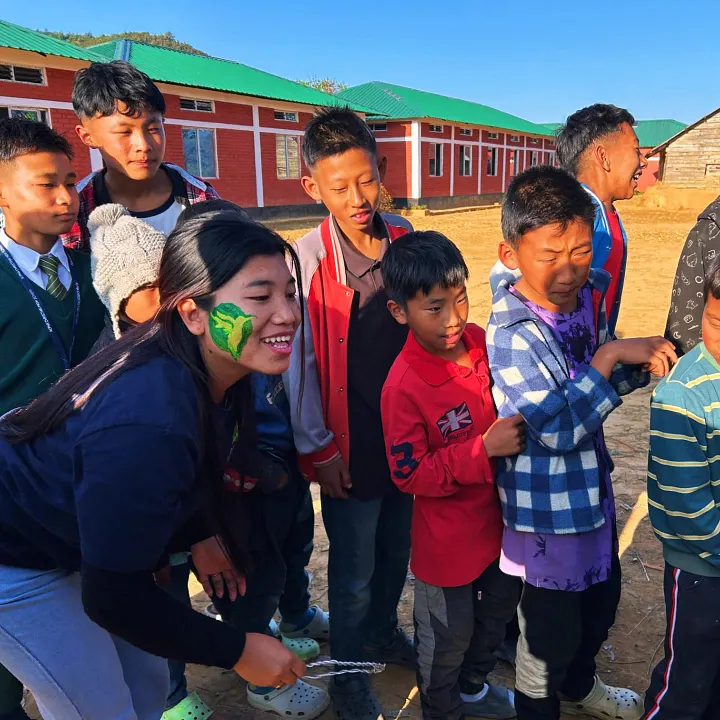
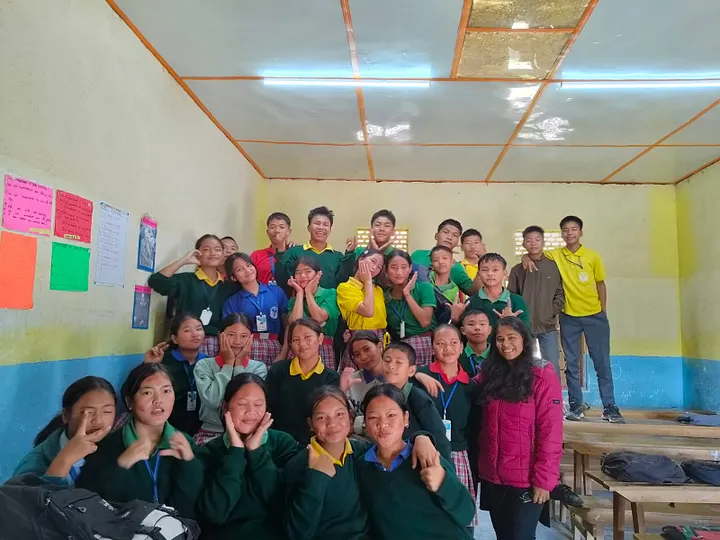
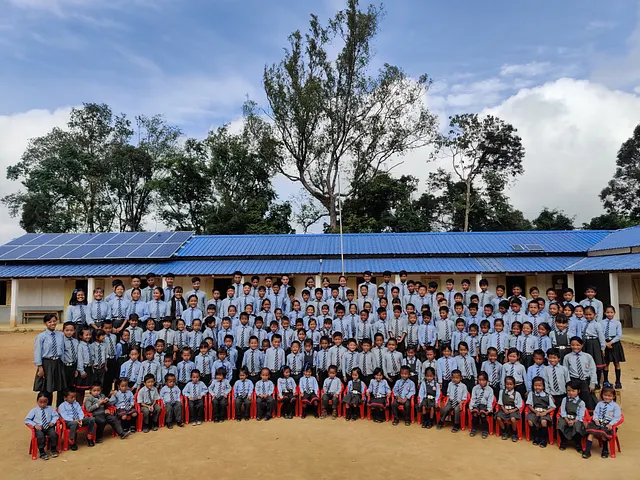
When I attended the inauguration of the new science lab and classrooms in 2025, I felt proud of the impact Sunbird has made in this community. A whole generation of children can now study while living at home with their families. Today, HMFS has 243 children enrolled, including 48 hostel residents from 13 different villages. It is the only well-functioning school within a 40-km radius.
Between Independence Day 2021 and Independence Day 2025, a lot has changed in HMFS and Mualdam. William and many villagers often remark that these days, the village is filled with the sound of more birds. Earlier, children and youngsters spent their time hunting, but with the school keeping them engaged, hunting has reduced, and birdlife is slowly returning. The school is still far from perfect, with many areas that need attention. Yet, we are moving patiently, step by step, ensuring that the community accepts and owns these changes. Parents are now becoming active participants in shaping the school’s future. While strengthening physical infrastructure was necessary, our focus has now shifted to the deeper layers, the quality of education, the culture of the school, and the values that will sustain this transformation for generations to come.