My story is nothing sort of a fantasy but it’s a reality of the underdeveloped Northeast India.
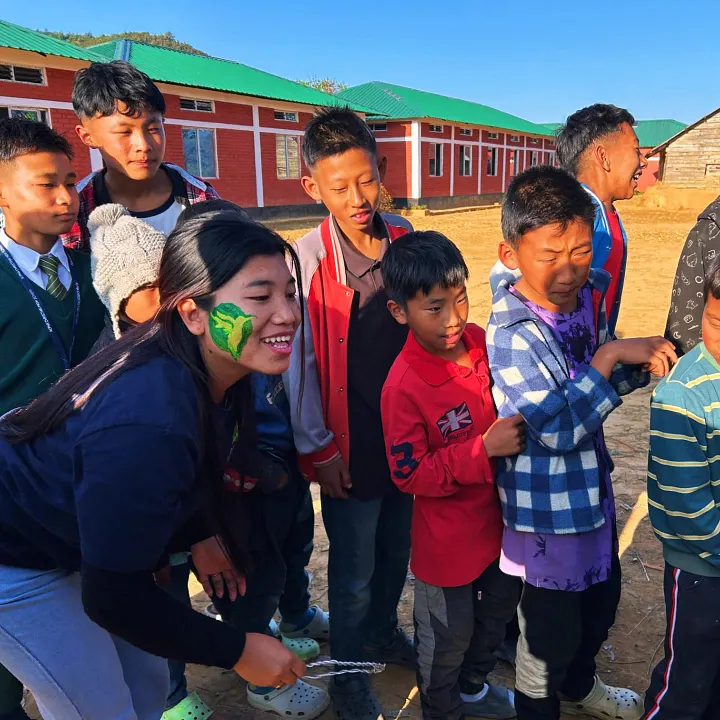
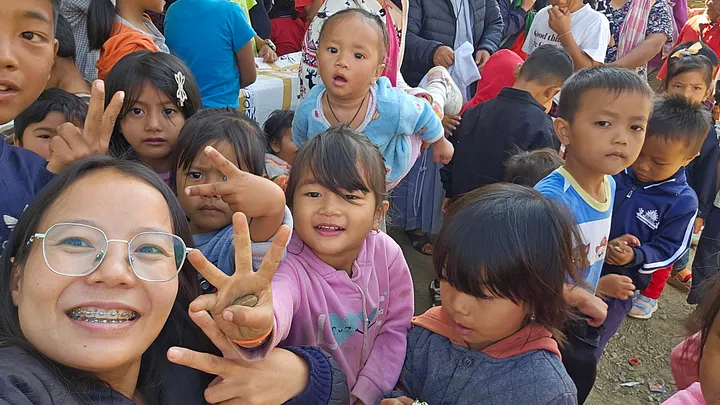
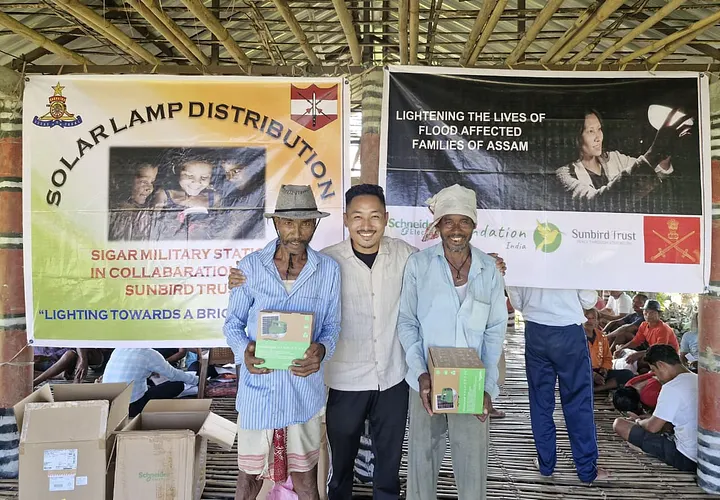
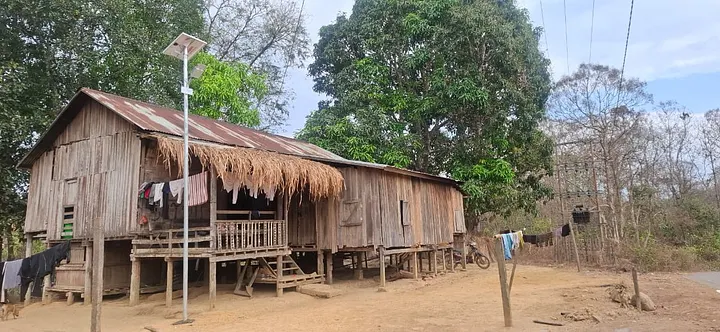
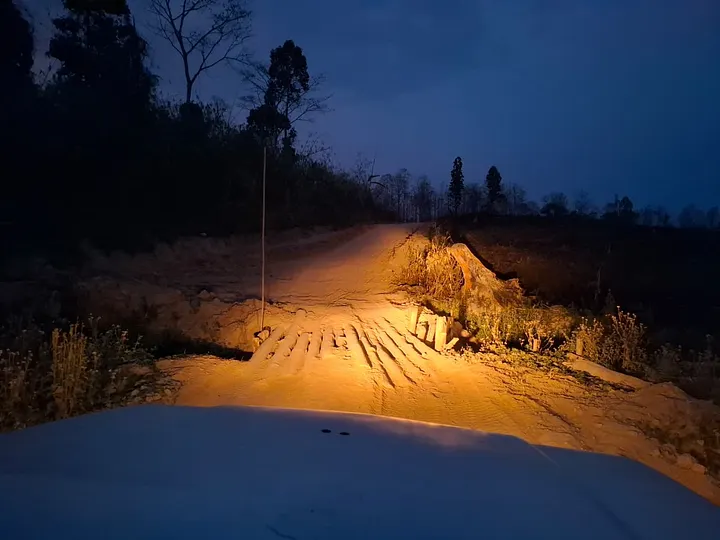
Born in the hills of Manipur and raised in a small town called Tahamzam in Senapati district, I grew up thinking I knew these landscapes, these people, these roads. My work takes me to places where Google Maps end and the real world begins. I travel extensively to distribute solar ball lamps and help install solar streetlights in the most remote and underserved villages in the Northeast India and every single journey shows me something beyond my expectations, something that stays with me long after I return home.
Travelling through the remotest parts of Manipur and Nagaland, I often find myself asking a difficult question: Has the system failed these people, or have they been forced to accept a broken system? It’s not about the food they eat or the ancient culture and traditions they follow. It’s about the absence of good roads, mobile network connectivity, electricity, and proper access to basic facilities even after 78 years of Independence and massive technological advancement.
All thanks to the Indian Army and the Assam Rifles. I’ve travelled thousands of kilometres on roads that don’t exist on maps, reaching communities who live without the basic necessities the rest of us take for granted.
When I sit down with the village elders, youths, and army officers, I often feel disheartened listening to their stories,stories of communities still waiting for the most basic development. Many share how documentation and decisions are sometimes completed from afar, without truly understanding the ground realities. In some situations, even village leaders find themselves misled by small incentives, leaving the larger needs of the community unmet.
It breaks my heart when I hear people say that they lost their family members to a minor sickness just because the functional healthcare is hours and days away as they do not have access to any ambulance services or health professionals at the assigned nearest health centres. I have come across many stories where the parents want to send their children to school but there is no functional school in the village and they don’t have the resources to send the children to towns and cities. Imagine how helpless the parents must be while wanting to provide basic education for their children.
These thoughts return to me on every journey. What can a man do when he wants to save his child, but the nearest health centre is days away? What can a man do when he wants to provide education, but the school in the village is not functional? What can a leader do when corruption overshadows compassion? Sometimes, I wish for a miracle — roads that appear overnight, electricity that flows, healthcare that reaches the hills, development that finally finds its way to the people who need it most. Not for luxury. Just for dignity.
Every time I hand over a lamp, I feel the weight of what it means. To someone sitting in a city, a solar lamp is a small device. But in these villages, that lamp becomes: a child’s evening classroom and a grandmother’s guide at night. It is a ray of hope — quite literally. When I switch on a newly installed solar streetlight and the entire village gathers around to see it glow for the first time, the joy on their faces reminds me why this work matters.
I am grateful to Sunbird Trust for giving me the opportunity to serve these communities and none of this would be possible without the donors and partners who continue to support. Every lamp and every solar installation is possible because someone chose to care. Someone chose to invest in a region often ignored. Someone chose to take “the road rarely taken.”
About the author:
K. Richard Luihing hails from Manipur and works as a Manager, Community Development at Sunbird Trust. He holds a Bachelor’s degree in Social Work from Lungnila Elizabeth College and a Master’s in Social Work in Public Health from Tata Institute of Social Sciences (TISS), Mumbai. With strong experience in fieldwork and community engagement, Richard is committed to fostering peace, strengthening livelihoods, and working closely with communities through a people-centred approach.