For most of my life, learning was never my priority.
Of course, life teaches you many things through experiences, failures, and the people you meet. But formal learning, the kind that happens in classrooms and institutions, always took a back seat for me.
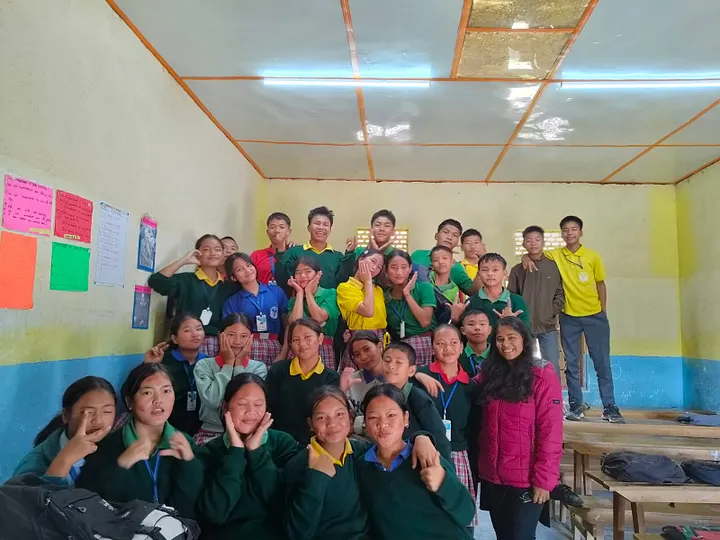
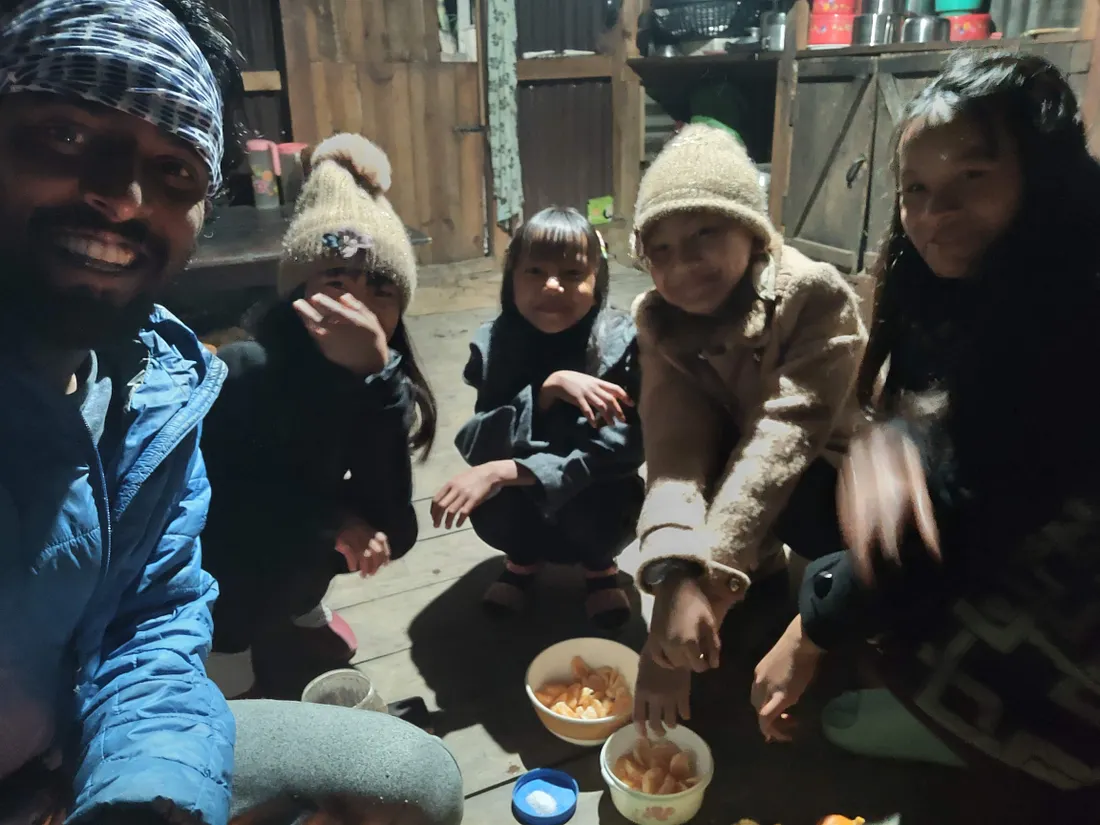
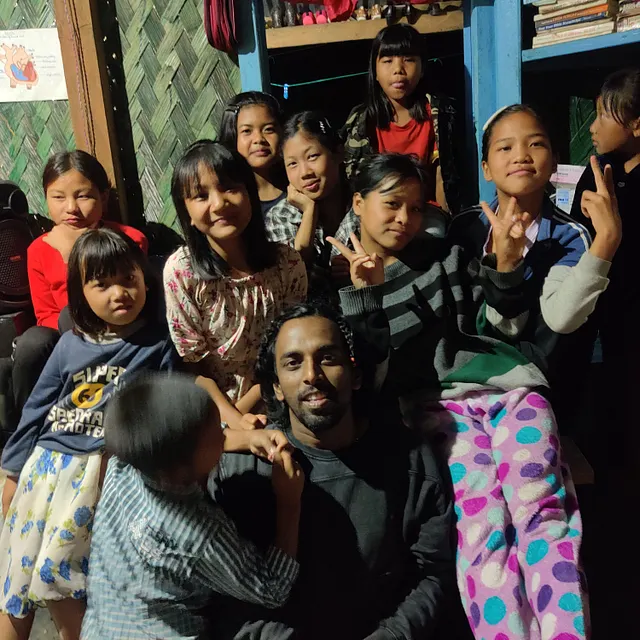
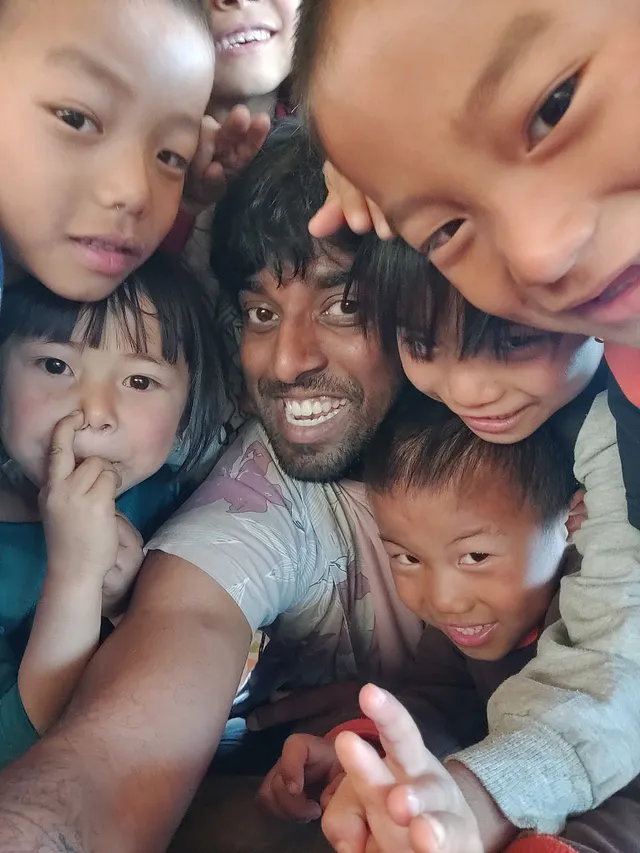
Ironically, I began my career as a teacher, a profession I had never imagined for myself, even in my distant dreams. By becoming a teacher, I unknowingly signed up for continuous learning. Teachers need to keep learning new content, better pedagogical practices, and better ways of understanding children. I spent four years teaching in a Teach for India classroom, and after that, I joined Sunbird Trust. It has now been a little over six years since I’ve been working with Sunbird Trust in North East India.
When I reflect on my own years as a student, I often feel that much of my formal education was a sham. I never had clarity about what I wanted to do in life. There was no sense of purpose, and no one helped me discover one. My higher secondary education demanded rote learning. College professors showed little interest in our learning. Even when I reached university to pursue an MBA, I couldn’t use it meaningfully.
Seven years across three institutions passed, and today I struggle to recall any real learning from that time. I don’t remain in touch with any professors or even classmates from those colleges. I don’t say this with bitterness; it’s simply how the system was structured.
My worldview was extremely limited. I knew only three respectable professions: Doctor, Engineer, and IAS. Everyone around me was chasing the same goals. Development, Humanities, Arts, these words were not part of my vocabulary. Life was linear. Society drew a line and asked us to follow it, and most of us did without questioning. The expectation was simple: earn well, support your family, get married, buy a house, buy a car, invest in land and gold. The system was designed to help you care for yourself, but it rarely asked what you could do beyond that. Education, as I experienced it, did not encourage you to imagine a larger role for yourself in society.
Teach for India: Where Learning Truly Began
My real learning process began when I joined Teach for India, the first major turning point in how I see the world.
I did not join the fellowship to change the world. I joined for selfish reasons. I was looking for a path that didn’t involve a corporate lifestyle, something that might make me happier and allow me to step out of the race. I didn’t fully understand what I was signing up for. In fact, I never believed I would get selected. Looking back now, I realise I was smarter than I gave myself credit for.
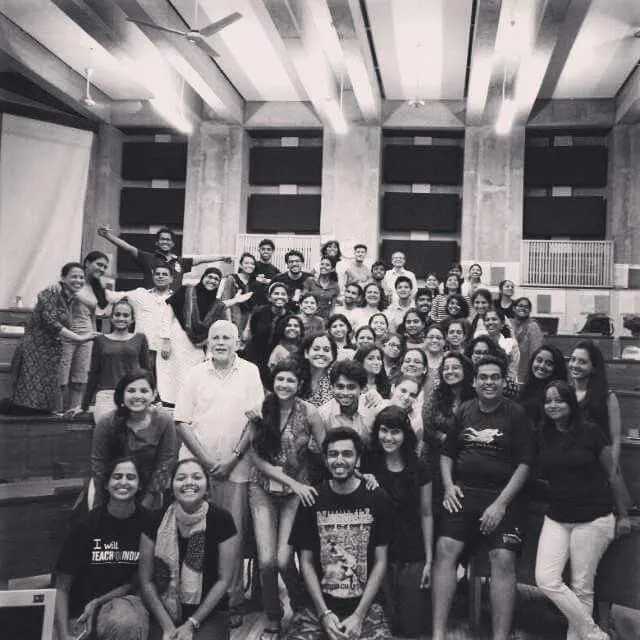
During the 45-day training in Pune with 500 fellows from across the country, I felt completely lost. I was trying to find groups where I could fit in, while struggling to keep up with the pace of learning and change. Soon after, I moved to Mumbai and began teaching in my classroom.
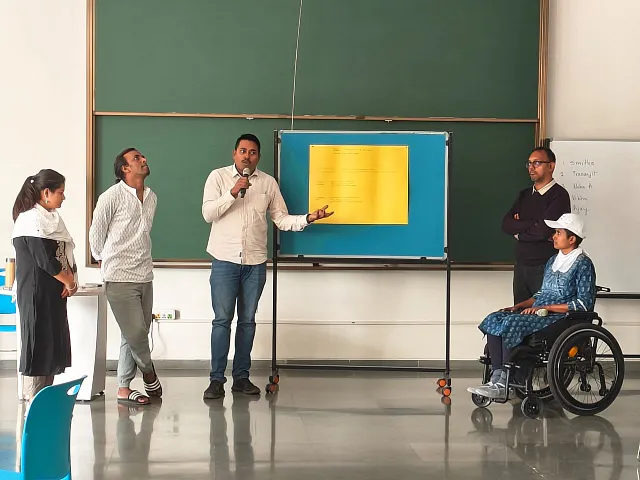
My first year was mediocre. But towards the end of that year, something shifted. A deep sense of responsibility towards my students began to grow. Once that responsibility takes root, motivation doesn’t need to be externally imposed. You push yourself because children are counting on you.
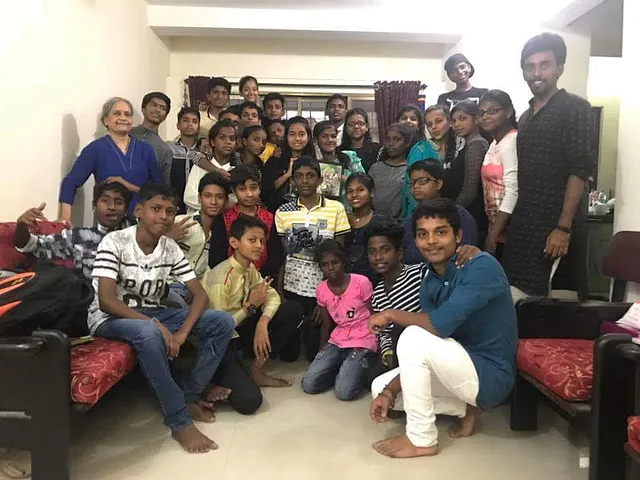
Teach for India exposed me to a world I would never have seen otherwise. My school was in Dharavi. I began to understand how inequality operates, how education can empower families, and why access to quality education matters so deeply. I started asking new questions: What are the gaps in our education system? Why do they exist? What can we do to address them?
The fellowship is thoughtfully designed to prepare you for the realities of the classroom and the challenges that come with it. It is not easy, but it teaches you to fight, to fight for your children and for their education. In that process, it often brings out parts of you that you didn’t even know existed.
Most people enter the fellowship without a background in education and with little clarity about what they want to do. Yet the fellowship gives direction. Working alongside young, energetic fellows who genuinely want to change the world and challenge the education system was deeply energising. I had the opportunity to work with some wonderful people and learn from them every day.
Well-designed training, strong structures, and a shared collective goal held all of us together. Over my four years in the fellowship, I found my closest friends, a community of like-minded people, and a sense of purpose. Even today, that network continues to support and strengthen my work. I found a new family in my students, whom I love and a strong community through Teach for India.
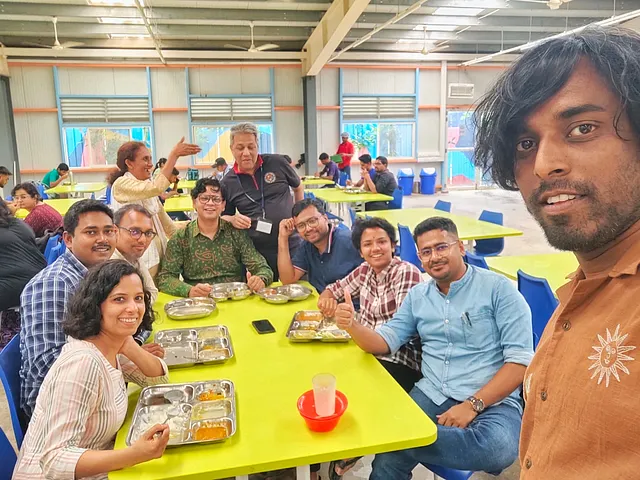
Sunbird Trust: Learning from Communities
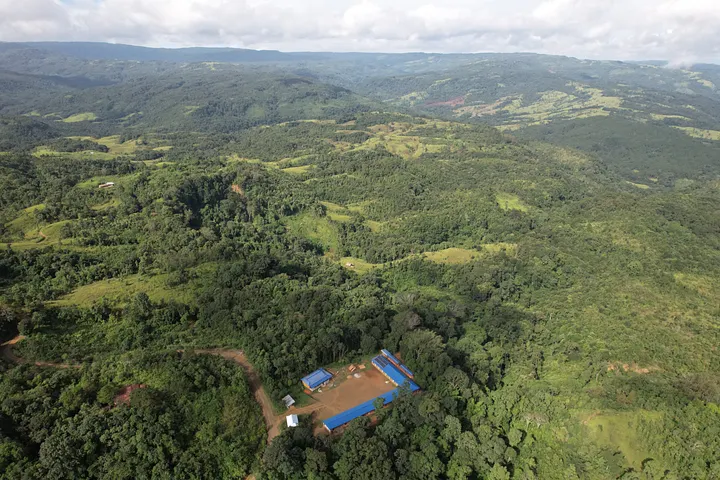
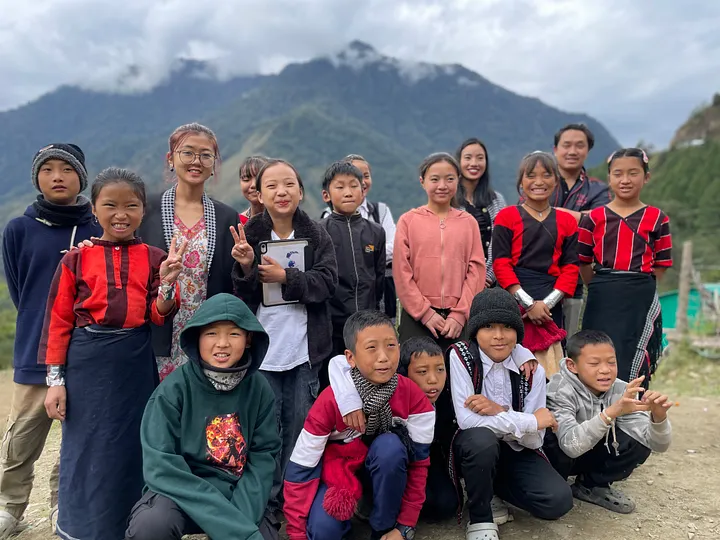
In 2019, I joined Sunbird Trust. Our work is based in remote, hilly regions of North East India, where internet access has historically been limited. In my early years here, I didn’t care so much about learning as I was learning constantly from communities, schools, teachers, geography, and lived realities.
When COVID hit, the world shifted online. Webinars, workshops, masterclasses, and digital courses became the norm. Due to connectivity constraints, I couldn’t fully participate in this new learning ecosystem. For nearly four years, while I was deeply immersed in fieldwork, my learning remained limited.
At the same time, I noticed many of my Teach for India peers returning to universities. Within my own organisation, colleagues were taking sabbaticals to pursue higher education. This curiosity wasn’t driven by comparison alone. Through conversations with friends who studied at universities in India and abroad, I began longing for an environment where people passionately discussed history, economics, politics, and society.
I realised I was drawn to the Humanities. Not because it would advance my career, but because I wanted to sit in a classroom again, read deeply, and think critically.
In 2021, I applied to a few universities in the UK, knowing that scholarships were my only option. I wasn’t fully committed, and unsurprisingly, nothing worked out. It took me almost two more years to apply with seriousness and clarity.
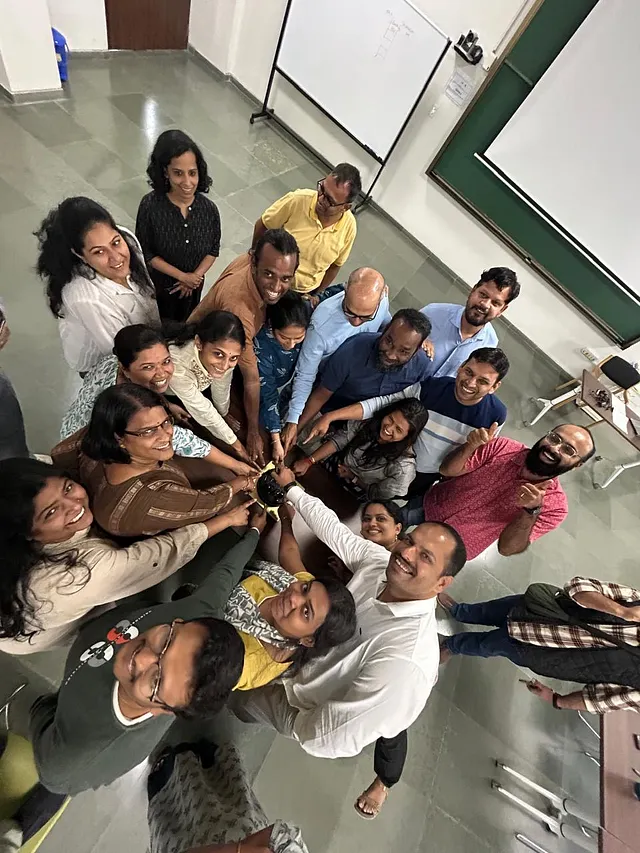
Returning to Learning: Azim Premji University
The course began in January 2024, the second major turning point in shaping how I see the world.
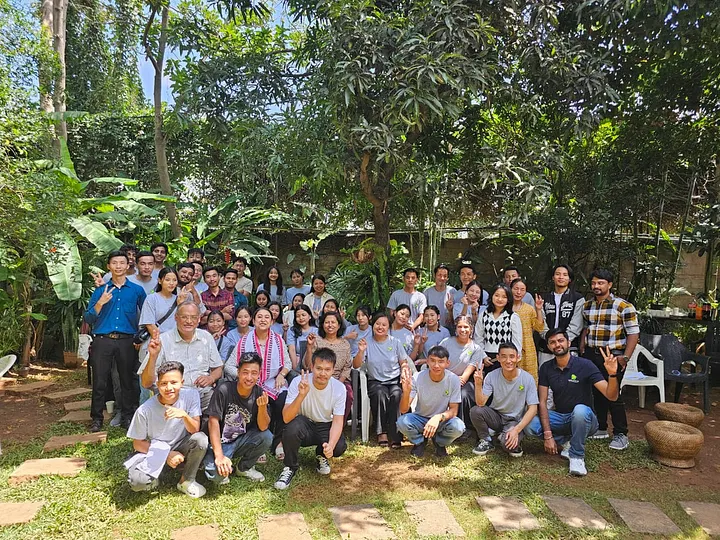
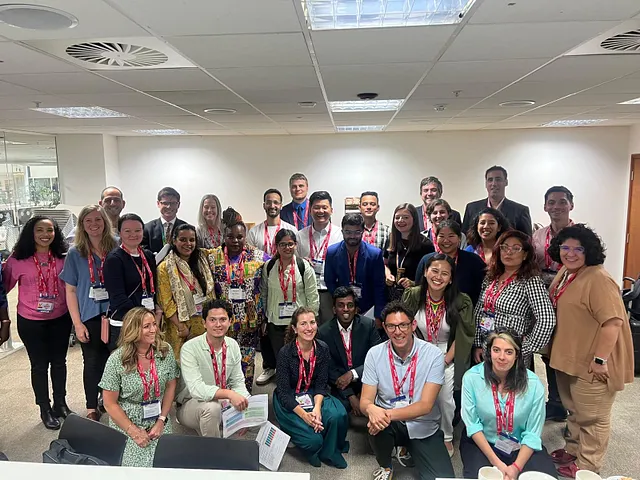
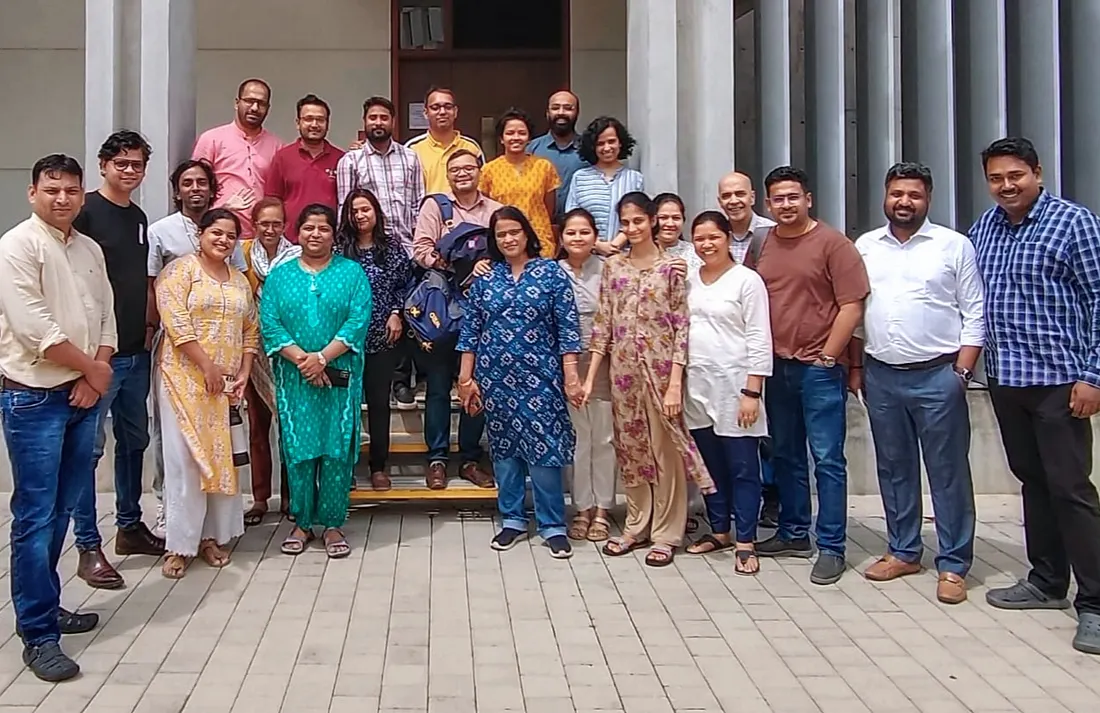
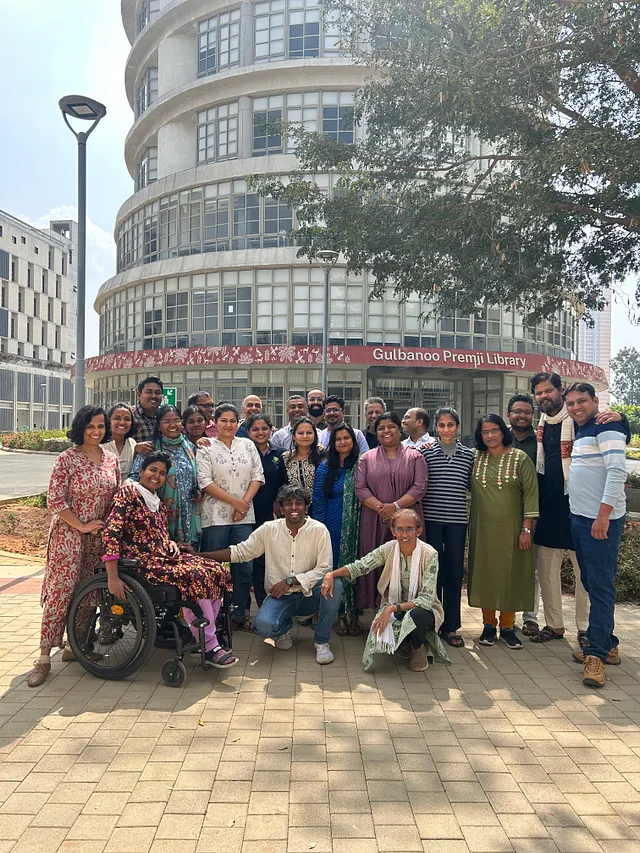
As part of the Postgraduate Diploma in Development Leadership, we spent three weeks on Azim Premji University’s Bengaluru campus. Our cohort consisted of 30 people from different states, working across diverse thematic areas like education, health, livelihoods, gender, governance, and more, each bringing experiences from different organisations and contexts.
Press enter or click to view image in full size
Teach for India is one of the strongest networks in the education space in India. Being part of such a network makes work easier and faster. It gives you access, credibility, and a shared language. However, over time, I realised that this strength can also become a limitation. Many of us continue to work within an education-only bubble, rarely interacting deeply with other fields of development.
While we may all be working towards the same broader goal of social change, development does not happen in isolation. Focusing only on education without understanding its intersections with caste, gender, labour, economy, politics, and history limits the kind of decisions we make on the ground. Awareness of other fields is not about doing everything; it is about seeing the whole picture. At APU, I began to see development as an interconnected process rather than a sector-specific intervention.
In the classroom, we engaged with concepts of caste, gender, power, and development, along with their historical contexts. Field experience teaches you what is happening; theory helps you understand why. Teach for India gave me an entry into the field, but it didn’t allow me to dive deep into development as a holistic discipline. This course helped bridge that gap at least partially and opened up many new perspectives.
The faculty played a crucial role in shaping this experience. The professors were not just academicians but practitioners with decades of field experience. They felt more like colearners than instructors. Sitting in their classes, listening to stories from years of practice, was deeply enriching. What stood out was the humility in the room, people with over 20 years of experience openly acknowledging how much they were learning.
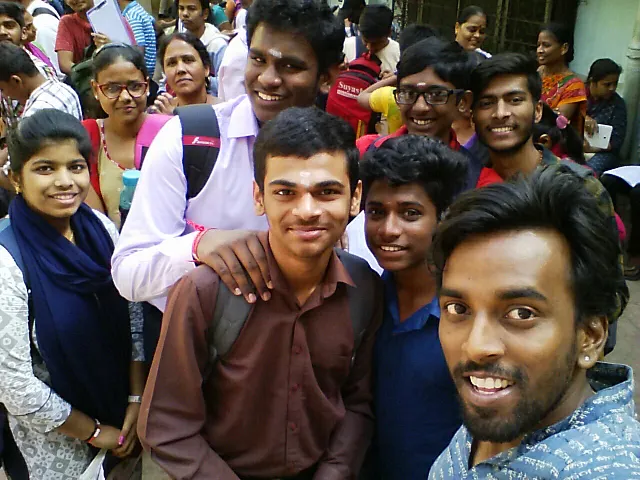
Beyond the classroom, the cohort itself became one of the richest learning spaces. Over the course of the year, I spent nearly 60 days with these 30 individuals, learning about the work they were doing across the country. Their stories of success, failure, values, and dilemmas were deeply grounding. These were people committed to improving systems, often working against immense odds. Listening to them, learning from them, and growing alongside them was a privilege.
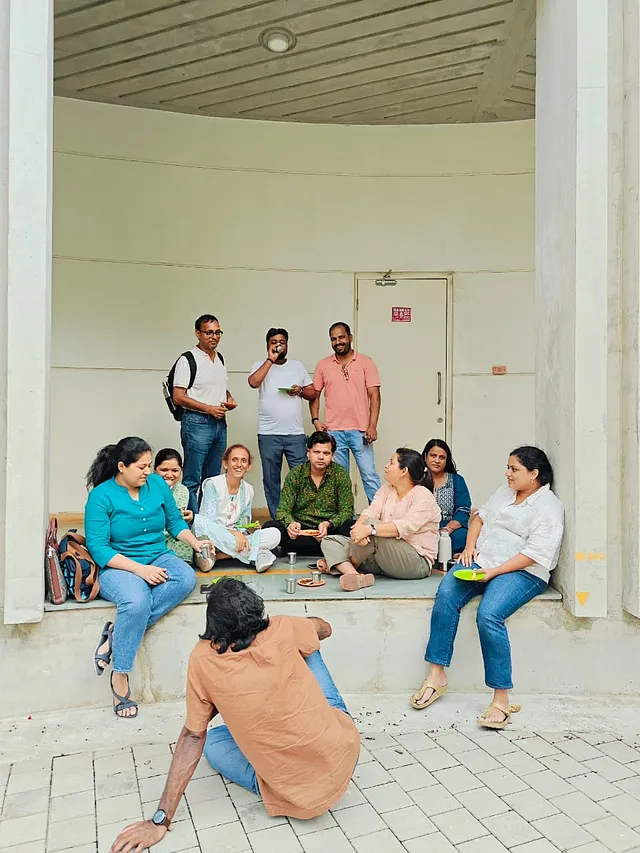
Group assignments, presentations, and long office-hour conversations with professors, where we discussed everything under the sun, made learning genuinely joyful. For the first time in a long while, learning felt fun, expansive, and human. The course didn’t just offer theoretical frameworks; it gave me friendships, peer networks, and a sense of collective reassurance that there are many others striving to make things better, each in their own way.
What Learning Gave Me Back
This renewed engagement with learning changed me in ways I hadn’t anticipated.
It gave me confidence to write. I had always wanted to write but felt deeply underconfident, worried about language, structure, and whether my thoughts were “good enough.” At APU, I learnt something simple but powerful: don’t overthink it. Keep it honest. Keep it simple. Tell your story. I owe this confidence to my classmates and professors, who created a space where thinking aloud was encouraged, not judged.
It also made me more politically aware and vocal. I am clearer about what is right and wrong, and I stand more firmly when I see injustice. This doesn’t come from anger alone, but from a deeper understanding of systems, histories, and power structures.
APU also expanded my networks in meaningful ways. It opened doors to new collaborations, conversations, and collective work. It gave me the confidence to reach out, to ask for help, and to work alongside others with humility.
Most importantly, it reminded me that development is an act of hope, and hope is never a solitary act. It is collective. It demands collaboration, dialogue, and shared learning. And this course reaffirmed for me that none of us does this work alone.
Why Organisations Must Invest in Learning
This journey reinforced a belief I now hold strongly: learning does not happen in isolation. Individuals may carry the desire to learn, but organisations determine whether that desire is nurtured or suppressed.
If Sunbird Trust had not supported two senior team members stepping away from work for extended periods, this growth would not have been possible. They didn’t see learning as an absence; they saw it as an investment. They trusted that we would return with sharper perspectives, stronger leadership, and deeper commitment.
In sectors that constantly speak about transformation, we often forget that transformation begins with people. When organisations invest in the learning journeys of their team members, they don’t lose capacity; they build depth, resilience, and long-term sustainability.
Through this journey, I also began to reflect on how learning is often treated in the development sector. Unlike the corporate world, where continuous learning is essential to remain relevant and competitive, the social sector does not always demand the same urgency. With fewer external pressures, complacency can quietly creep in.
Press enter or click to view image in full size
Yet, the absence of competition does not reduce our responsibility, if anything, it increases it. When we work with communities, we carry the responsibility of making the best possible decisions on their behalf. To do that well, we must keep learning, questioning our assumptions, updating our understanding, and refining our practices. Continuous learning is not a luxury in the social sector, it is essential if we truly want to serve people with integrity.
Learning is indeed a lifelong process. I’ve heard this phrase since childhood, and I didn’t prioritise learning for a long time. But when I finally returned to it, not for survival or success, but for curiosity and purpose, it changed how I see the world. And that, perhaps, is what lifelong learning truly means.