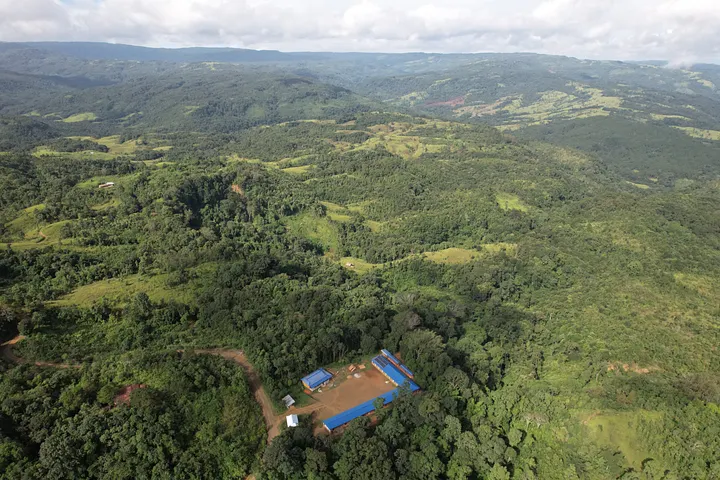
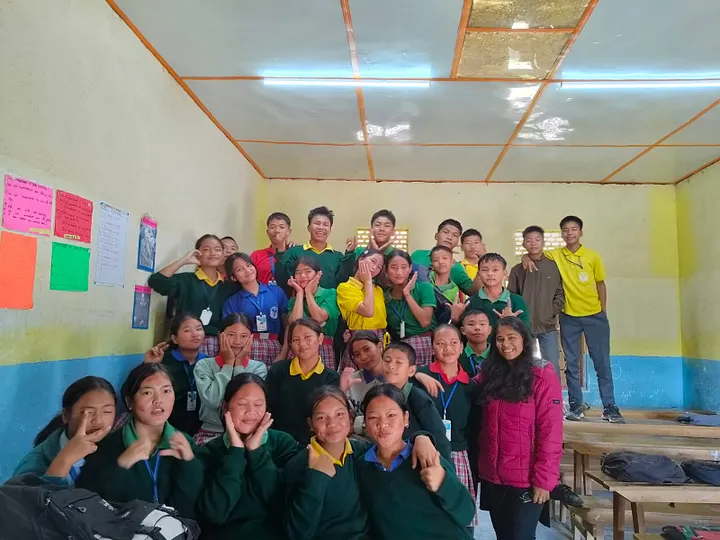
Aben is a small village situated in the hills of the Tamenglong district. The village is home to about 80 odd households of the Zeme Naga tribe. During the monsoon or after any heavy rainfall, the village becomes completely cut off, and for a good part of the year, it remains without electricity. The people there are engaged in agricultural activities such as their traditional Jhum or with newer forms such as monoculture plantations or Sloping Agricultural Land Technology (SALT).
One of the biggest challenges is connectivity because of kacha roads. The nearest town, Jiribam, is 70 km away but takes about 8–10 hours to reach. This makes life difficult for people in the village. Access to basic education, health, and market facilities is beyond their reach. But the roads and the current situation doesn’t dampen the spirit of the villagers, and they go ahead with their daily life. They grow what is needed and survive by themselves.
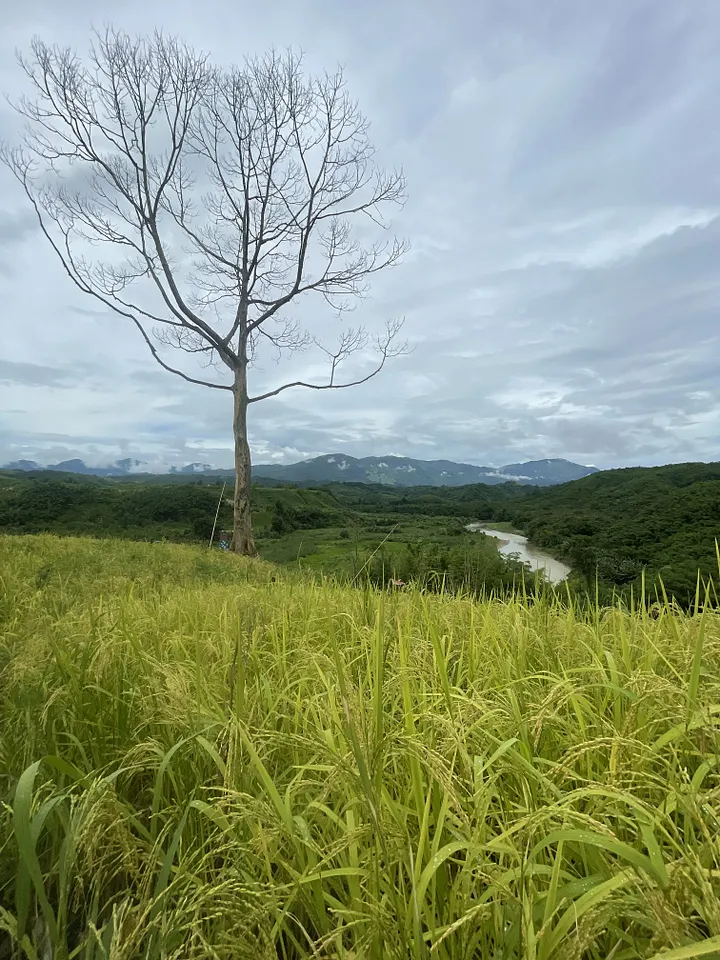
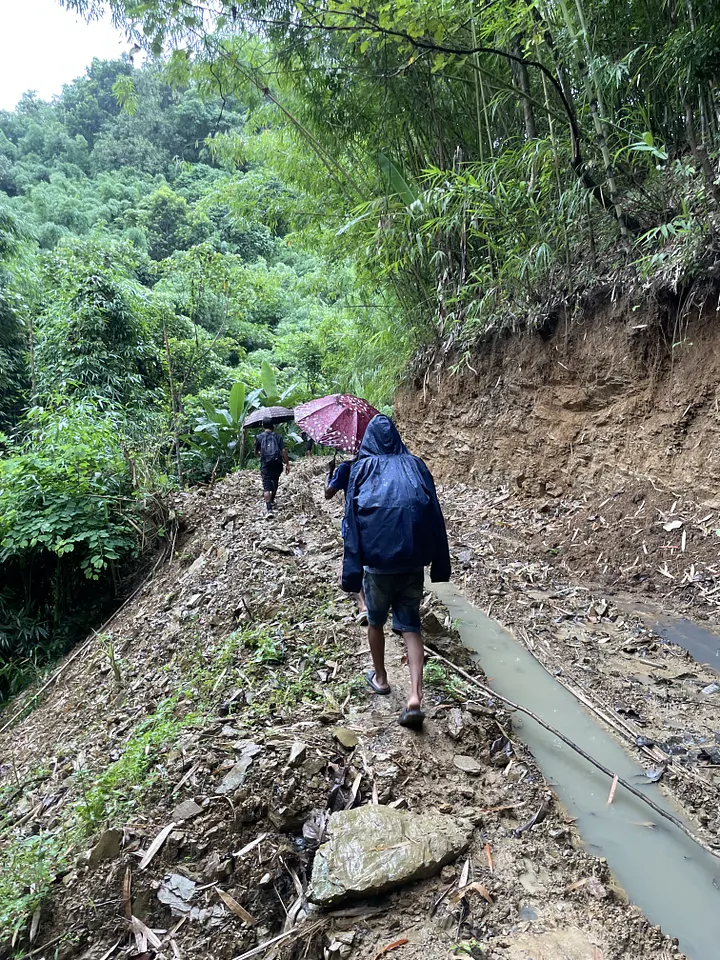
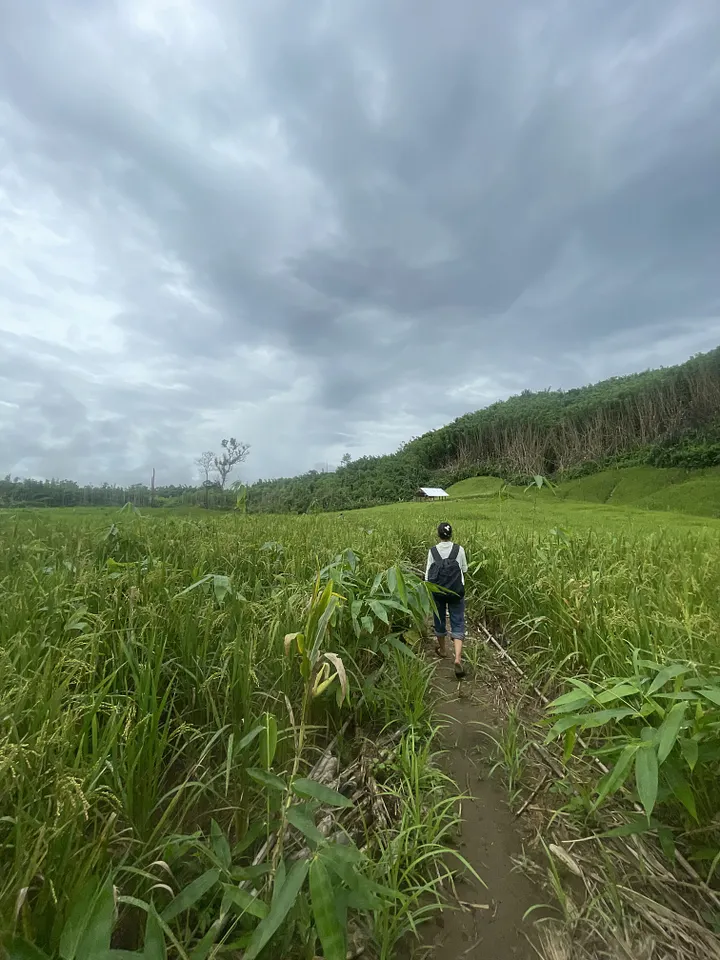
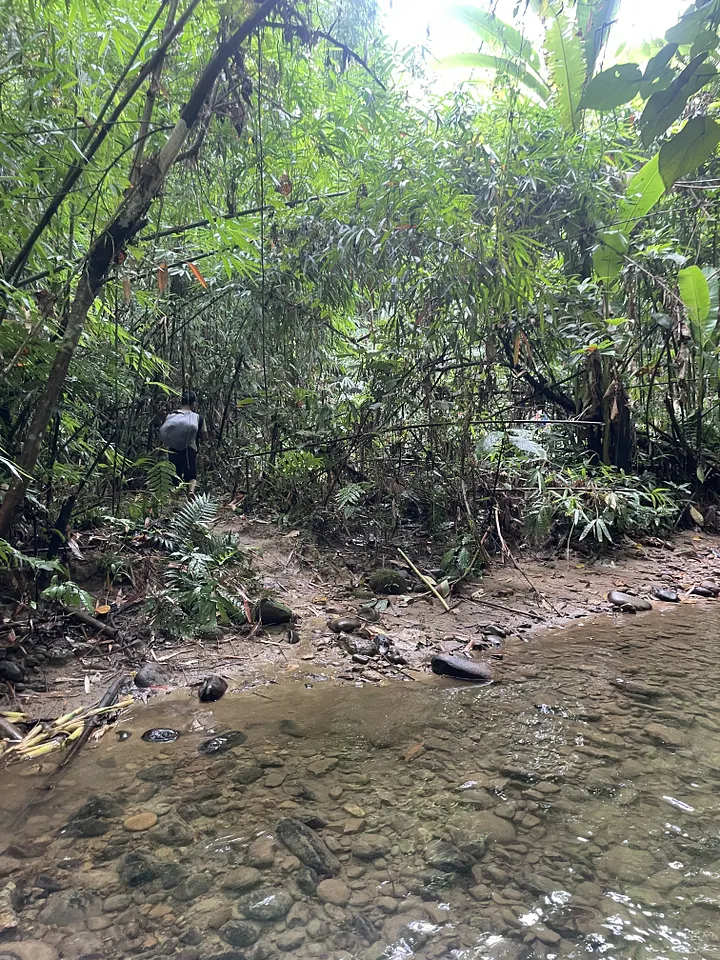
The only way was a bamboo raft to cross the river. It was exciting and scary at the same time. But when I was crossing the river with the help of the people I was travelling with, I realised the hardships people accept with a smile. It pained me to understand the horrors of their lives, which we around the world take for granted.
About the author: Pratip Ganguly is the Senior Manager — Community Development at Sunbird Trust, based in Manipur. He has worked closely with communities in Manipur, leading engagement initiatives with a strong focus on agricultural livelihoods and rural development, guided by a belief in participation, trust, and shared ownership.